 Trusted by healthcare professionals
Difference between Luer and Luer Lock
When choosing syringes and needles, you may come across the terms Luer and Luer Lock. Although they look similar, they use different connection systems to attach a needle to a syringe. Understanding the difference is important for selecting the right supplies and ensuring safe, reliable medication administration.
The main difference between Luer Slip and Luer Lock is the way the needle attaches to the syringe. Luer Slip uses a simple push-on connection for fast and convenient use, while Luer Lock uses a threaded locking mechanism that provides a more secure attachment.
Luer Connection
A standard Luer connection, often called a Luer Slip, relies on a tapered friction fit. The needle is simply pushed onto the tip of the syringe, where it stays in place through the tight fit between the two components. This type of connection is quick and easy to use, making it suitable for many routine injections and medical procedures. Because there is no locking mechanism, the needle can also be removed easily after use.
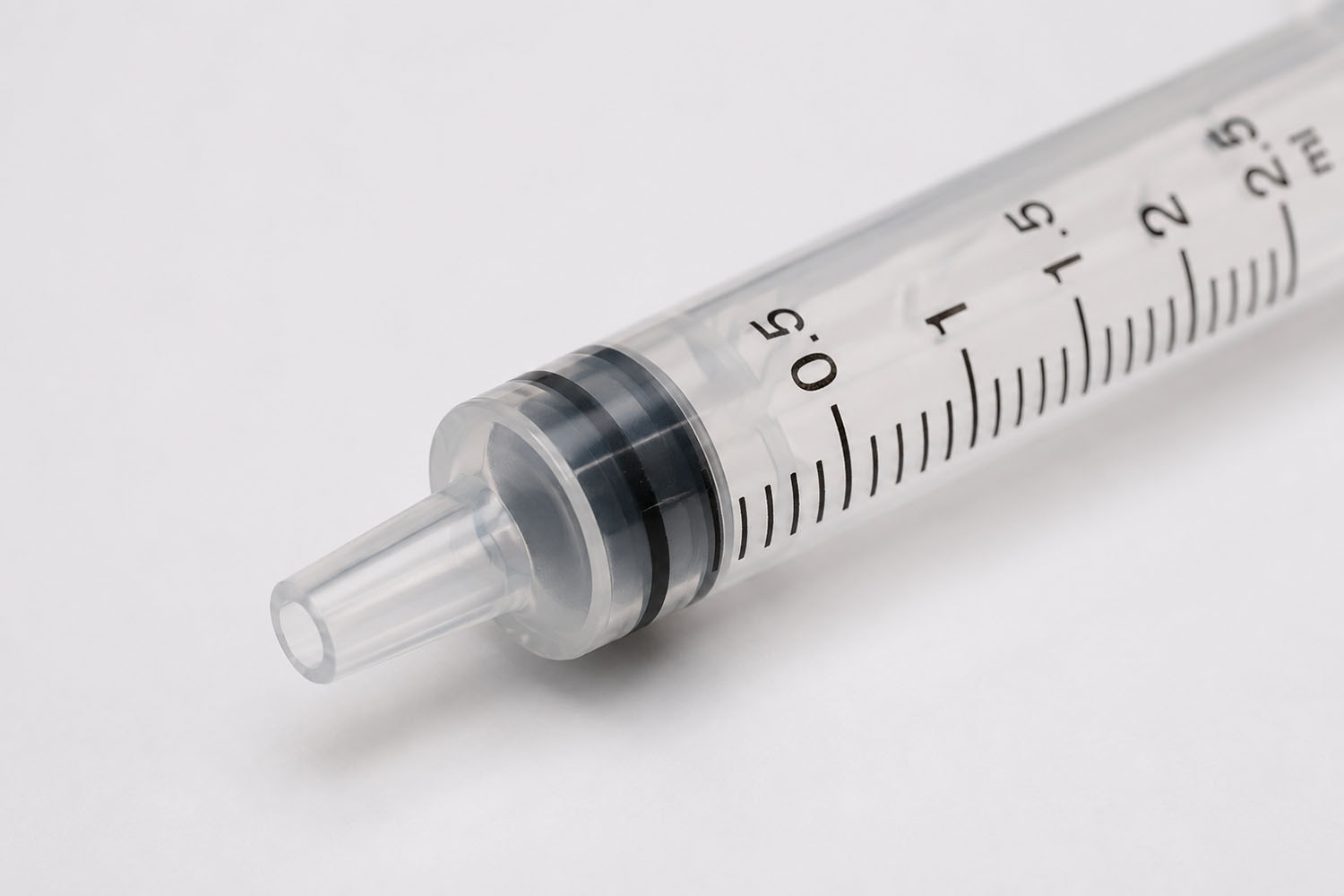
Luer Slip syringes are commonly used when medication is administered at relatively low pressure and when frequent needle changes are required.
Luer Lock
A Luer Lock connection includes a threaded collar on the syringe. Instead of simply pushing the needle onto the tip, the needle is placed over the connector and twisted until it locks securely into place. The locking mechanism creates a much stronger connection between the syringe and the needle.
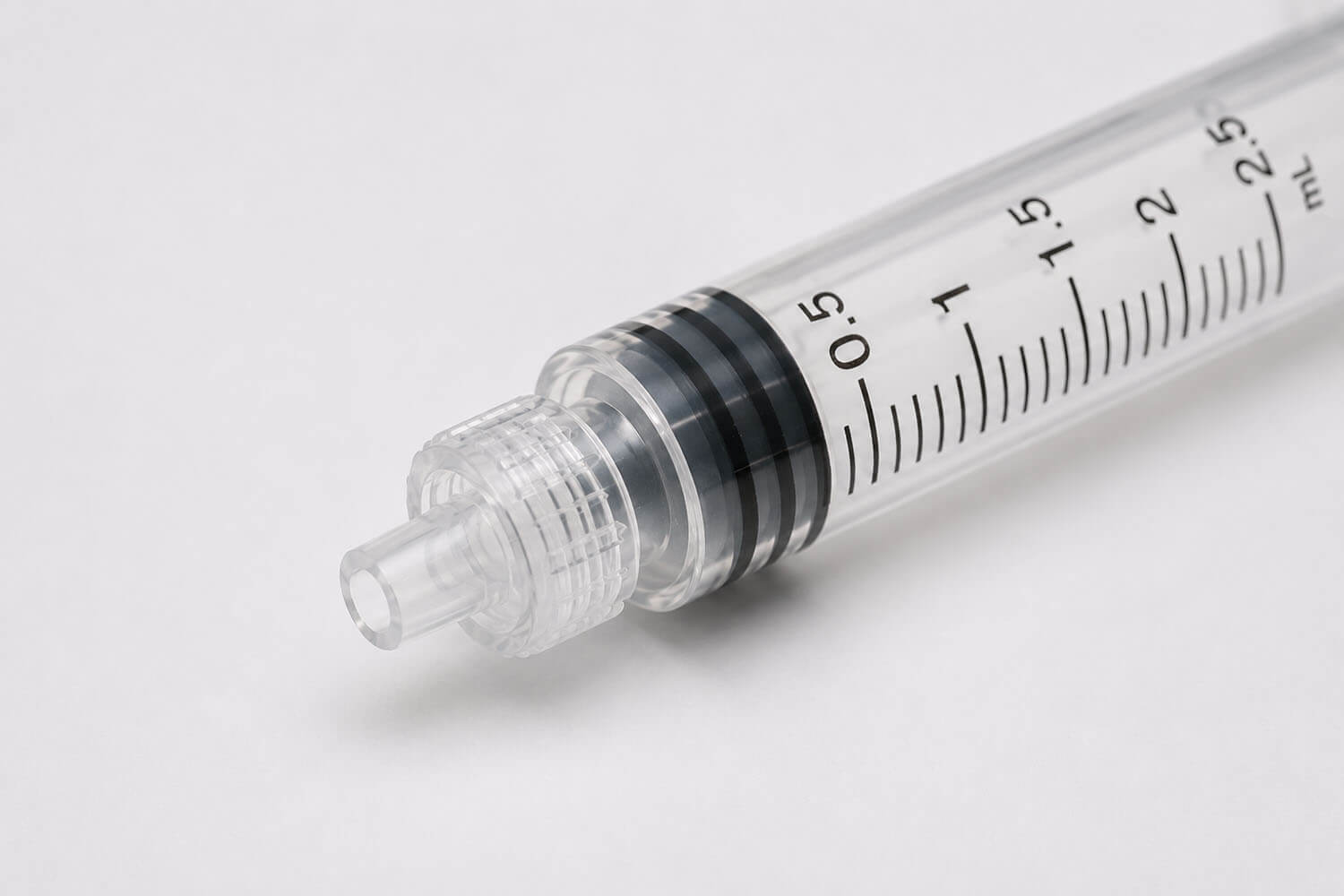
This greatly reduces the chance of the needle becoming detached during use, even when higher pressure is applied. For this reason, Luer Lock syringes are widely used in hospitals, clinics, laboratories, and other healthcare settings where a secure connection is essential.
Which one should you choose?
The best option depends on the intended application. A Luer Slip connection offers convenience and speed, making it ideal for many everyday injection tasks. A Luer Lock connection provides additional security and is generally preferred whenever a firm, leak-resistant connection is required.
If your healthcare provider, medical device, or medication instructions specify one type of connection, always follow those recommendations. Syringes and needles should only be used when they are compatible with each other.
Compatibility?
Both systems use the same standardized Luer taper, but they are not identical in how they connect. A Luer Lock syringe is designed to work with Luer Lock needles, which twist into place. Some Luer Lock syringes can also accept Luer Slip needles, depending on the design. However, a standard Luer Slip syringe cannot securely lock a Luer Lock needle because it does not have the required threaded collar.
Before purchasing syringes or needles, always check the product specifications to ensure compatibility.